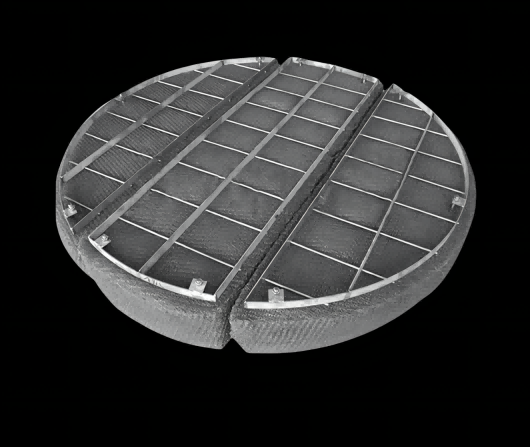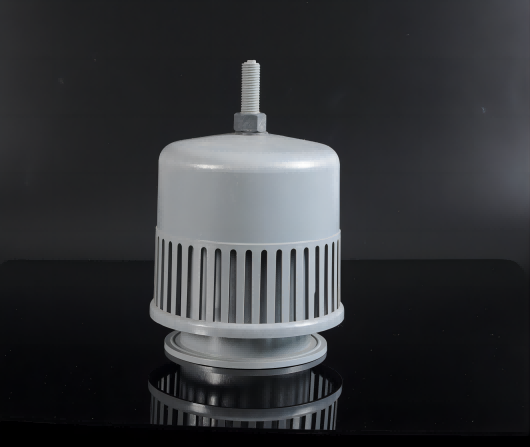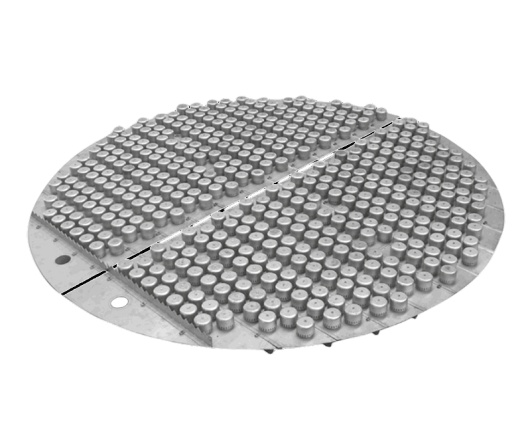

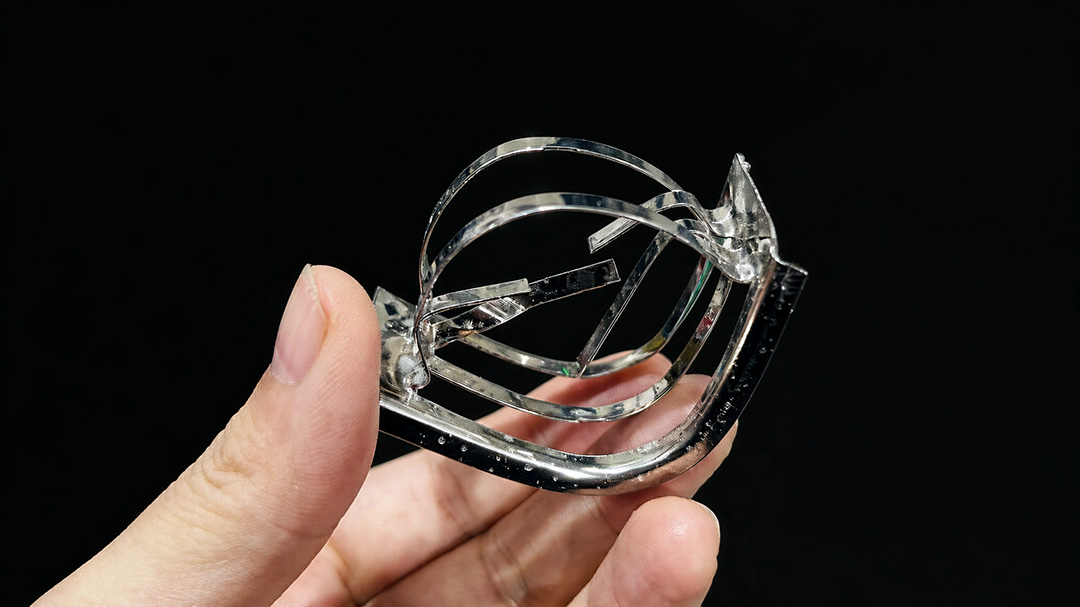
Figure 1: Metal Super Raschig Ring (Intalox-style saddle) — saddle geometry eliminates parallel stacking, boosting capacity and reducing pressure drop vs. conventional Raschig rings.
Engineer's Brief: The metal Super Raschig Ring (often called Intalox-style saddle) is a second-generation random packing that replaced the cylindrical Raschig ring. The saddle shape prevents parallel alignment, increases gas-liquid contact, and cuts pressure drop by 20–40% at the same throughput. It sits between ceramic Raschig rings (cheap, brittle) and wire mesh structured packing (high efficiency, high cost). FXSINO stamps Super Raschig rings from SS304/316L/410S/Ti in #25–#80 sizes, with wall thickness tuned to corrosion allowance and mechanical strength.
A conventional Raschig ring is a cylinder. In a packed bed, cylinders tend to stack in parallel columns, creating large open channels with poor gas-liquid contact. The saddle (Super Raschig / Intalox geometry) fixes this:
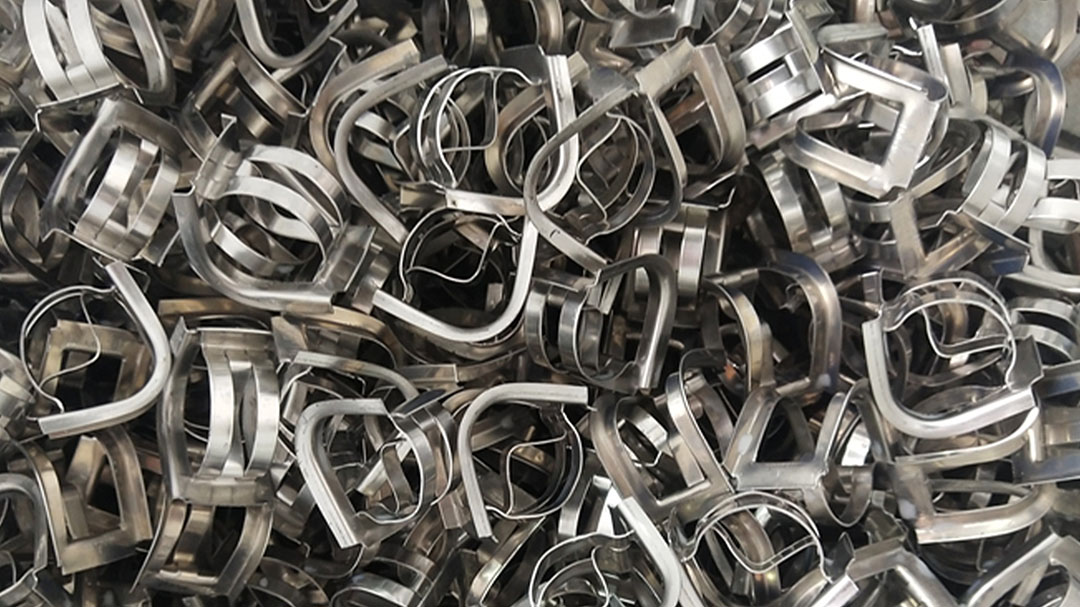
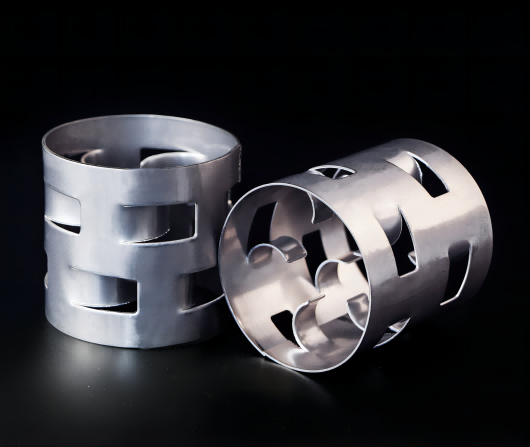
Figure 2: Single saddle showing curved body and central window — the window adds mass-transfer surface while keeping pressure drop low.
| Size | Surface area (m²/m³) |
Void (%) |
Bulk density (kg/m³, SS316L) |
Pieces/m³ (approx.) |
Typical HETP (m) |
|---|---|---|---|---|---|
| #25 (1") | ~185–200 | 95–96 | ~380–420 | ~62,000 | 0.4–0.55 |
| #38 (1.5") | ~130–145 | 96–97 | ~310–350 | ~20,000 | 0.5–0.7 |
| #50 (2") | ~95–110 | 97–98 | ~250–290 | ~8,000 | 0.6–0.85 |
| #70 (3") | ~65–80 | 98–98.5 | ~200–240 | ~2,500 | 0.8–1.1 |
Values are generic reference for stamped metal Super Raschig rings; replace with FXSINO measured data before publication. HETP varies with system, F-factor and L/G ratio.
| Parameter | Metal Super Raschig (saddle) | Metal Raschig ring (cylindrical) |
|---|---|---|
| Capacity (flood point) | +20–30% higher | Baseline |
| Pressure drop at same F | 20–40% lower | Higher |
| HETP | 0.4–0.8 m (typical) | 0.6–1.2 m |
| Channeling tendency | Low (random orientation) | Moderate (stacking) |
| Cost | ~1.3–1.5× Raschig ring | Baseline (cheapest metal random) |
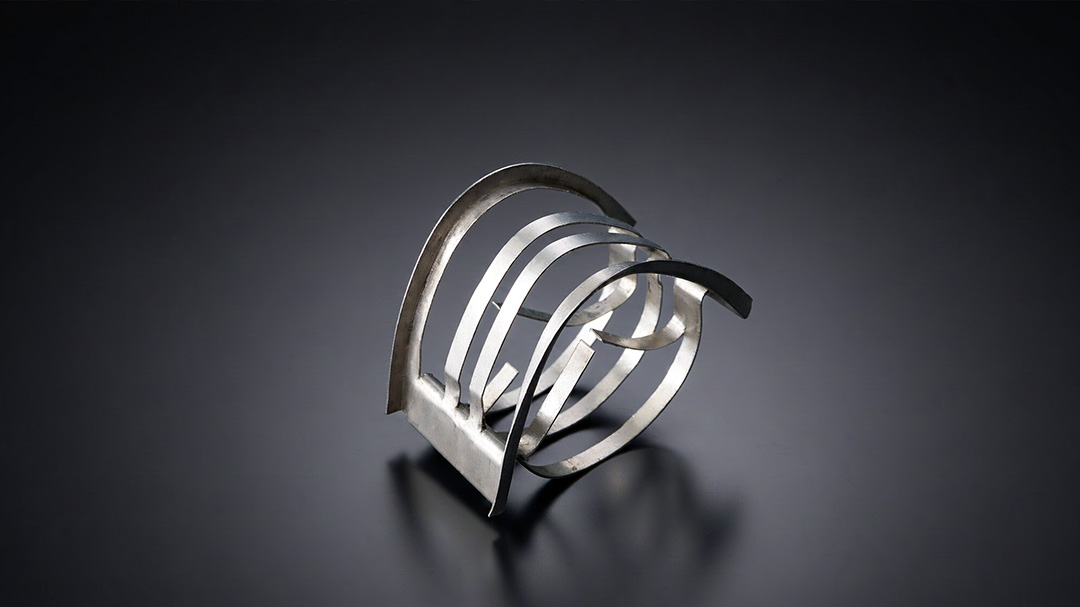
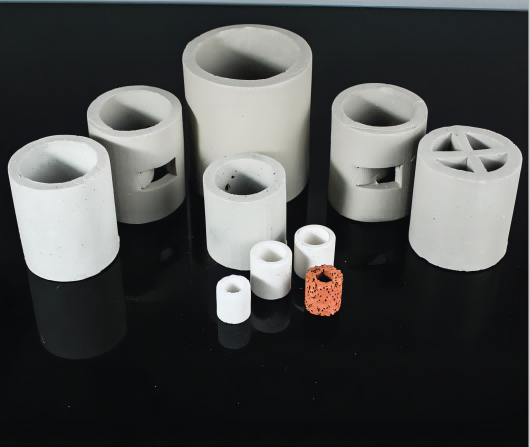
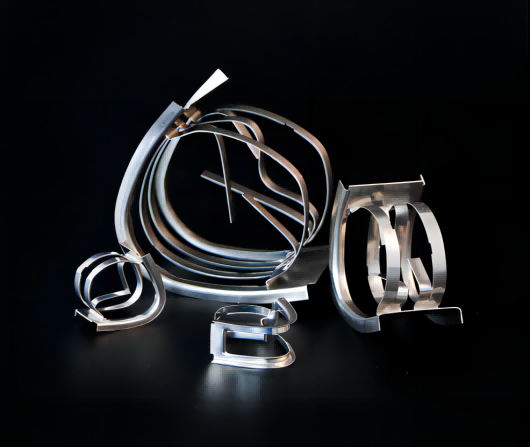
Figure 3: #25 through #70 Super Raschig rings — smaller size = more surface = higher efficiency but lower capacity and easier to foul.
| Service | Recommended size | Typical alloy |
|---|---|---|
| CO₂ / H₂S amine absorption | #38–#50 | CS / 410S |
| Sour water stripper | #38–#50 | 316L |
| SO₂ / NOx scrubber | #50–#70 | 316L / Duplex |
| Vacuum distillation (short bed) | #25–#38 | 316L / Ti |
| Solvent recovery | #38 | 304L / 316L |
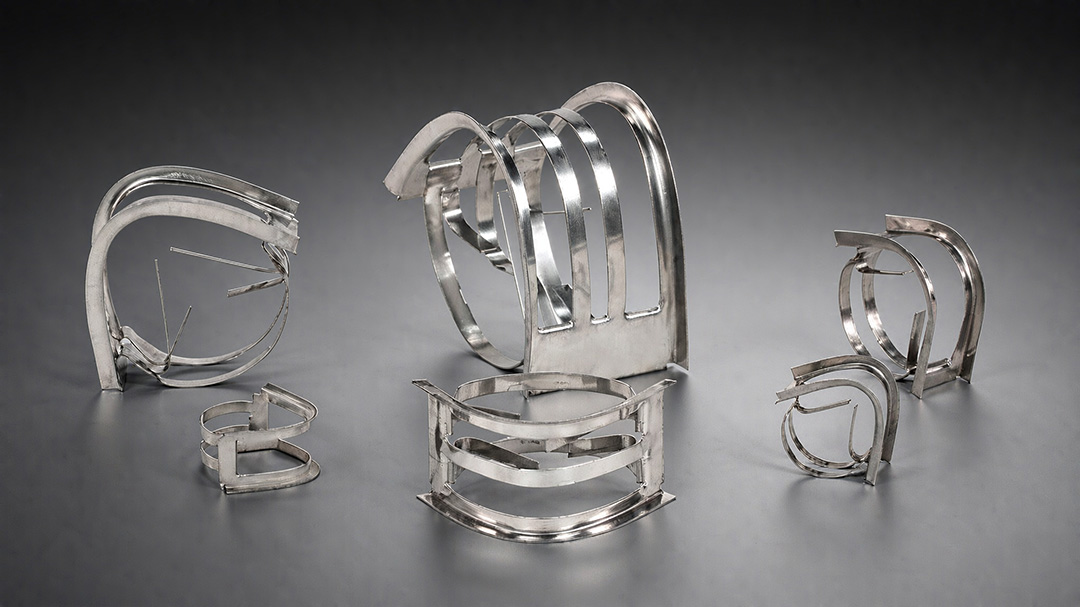
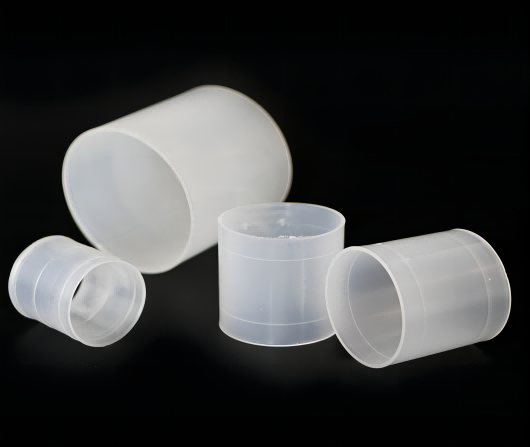
Figure 4: Charging Super Raschig rings through manway — dump evenly, no single-side piling; verify distributor alignment before closing.
Q: Super Raschig Ring vs. Pall Ring — which is better?
A: Pall rings have more uniform gas-liquid distribution at very low liquid loads. Super Raschig rings typically give 10–15% higher capacity (flood point) and slightly lower ΔP. For most absorption/stripping services, Super Raschig is the better all-around choice unless liquid load is extremely low (<3 m³/m²·h).
Q: Can I use metal Super Raschig in hot concentrated acid?
A: Metal will fail in hot H₂SO₄ >70% or hot HNO₃ regardless of alloy grade. For those services, switch to ceramic Raschig rings or ceramic structured packing.
Q: Wall thickness — thin or thick?
A: Thinner wall = more pieces per m³ = higher surface area = better efficiency, but less corrosion allowance. For clean service, 0.4–0.5mm (SS) is standard. For corrosive/erosive service, specify 0.6–0.8mm or step up to 410S/316L thick-gauge.
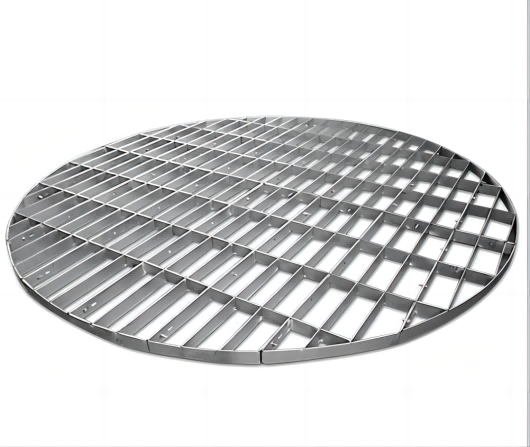
FXSINO manufactures metal Super Raschig rings (Intalox-style saddle) in SS304/316L/410S/Duplex/Ti, sizes #25–#80. We supply matched support grids, distributors, bed limiters and redistributors. Send tower ID, service fluid, temperature, pressure and target capacity — we return size recommendation, bed height and hydraulic check.
Email: jackieqiu9202@gmail.com | +86 18507999558
 Adresse
: Intersection of Jinguang Avenue and Chongqing Middle Road, Anyuan Industrial Park, Anyuan District, Pingxiang City, Jiangxi
 Tél
: +86-18507999558
 E-mail
: sales@fxsino.com
 WhatsApp
:
+86-18507999558
 Réseau IPv6 pris en charge
Plan du site
| XML | Blog
| politique de confidentialité