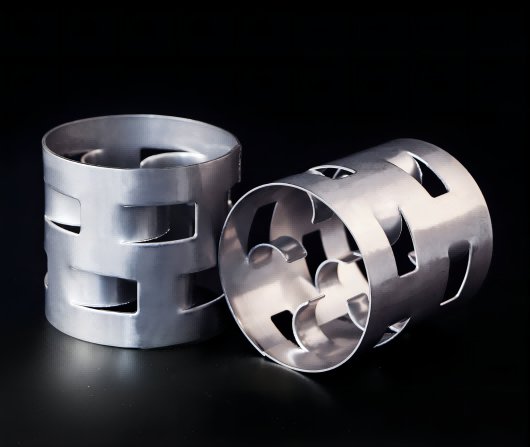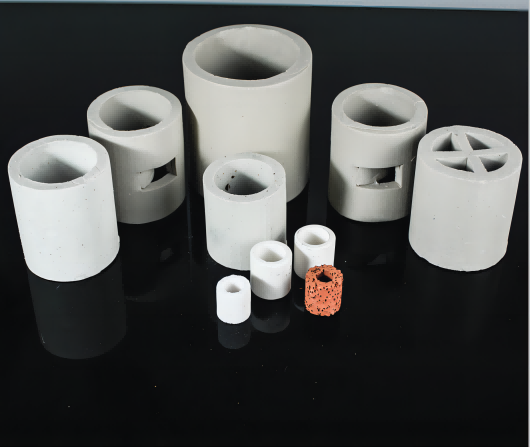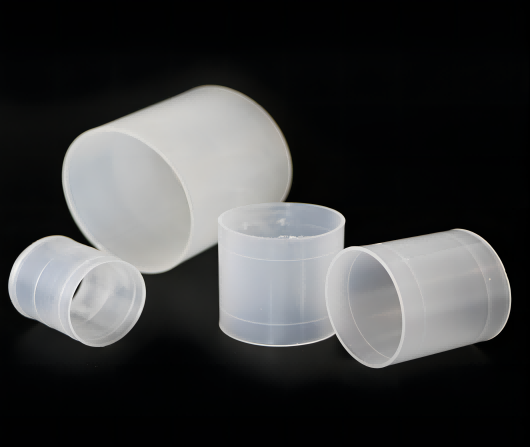

Dans les applications de colonnes garnies, la bille creuse en plastique (également connue sous le nom de multibilles ou Tellerette) est souvent considérée comme un « produit de base de basse technologie ». Cependant, le choix d'un matériau ou de spécifications inappropriés entraîne des colmatages fréquents, une distribution inégale du fluide et des inefficacités de traitement qui grèvent silencieusement votre budget d'exploitation.
Ce guide fournit aux professionnels des achats, des services techniques et des projets un cadre pour évaluer les billes creuses en PP, PVC, CPVC et PVDF, garantissant une efficacité de transfert de masse optimale et des économies de coûts à long terme.
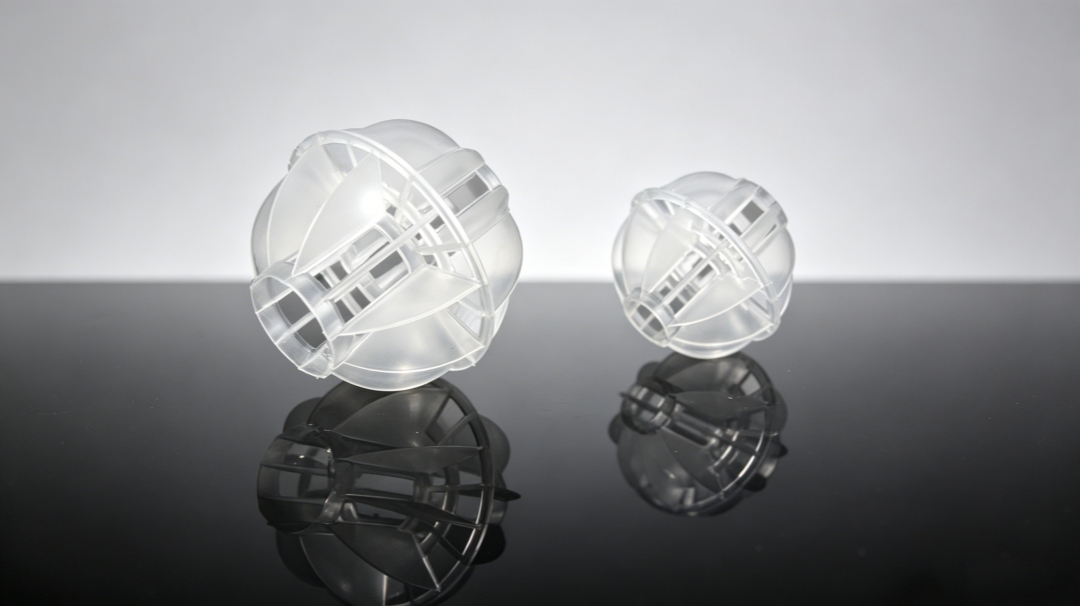
Bien que la structure géométrique des billes creuses soit standardisée, c'est la résine plastique qui détermine leur durée de vie. Choisir uniquement en fonction du prix le plus bas au mètre cube est la principale cause de défaillance prématurée des tours.
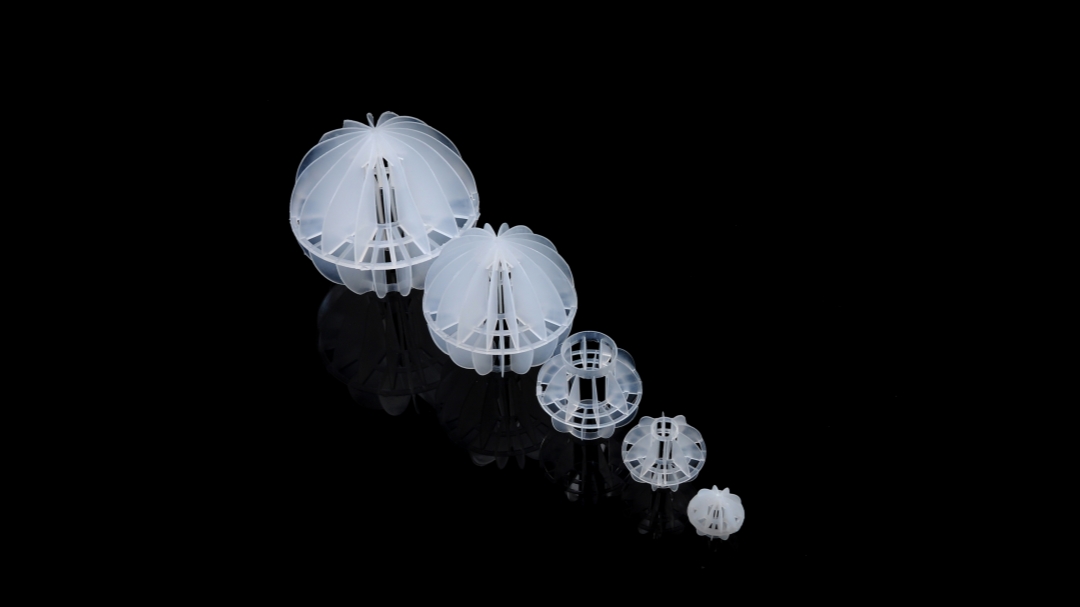
Le polypropylène (PP) offre le meilleur compromis entre résistance chimique et coût. Il est performant dans le traitement de l'eau, les tours d'absorption et les environnements acides/alcalins en général. Sa température limite de fonctionnement se situe généralement entre 80 et 90 °C.
Attention aux résines PP recyclées ! Le PP vierge présente une épaisseur de paroi et une intégrité structurelle constantes. Les matériaux recyclés se fissurent souvent sous l’effet des UV ou de la pression, ce qui peut entraîner la formation de billes qui obstruent les pompes en aval.
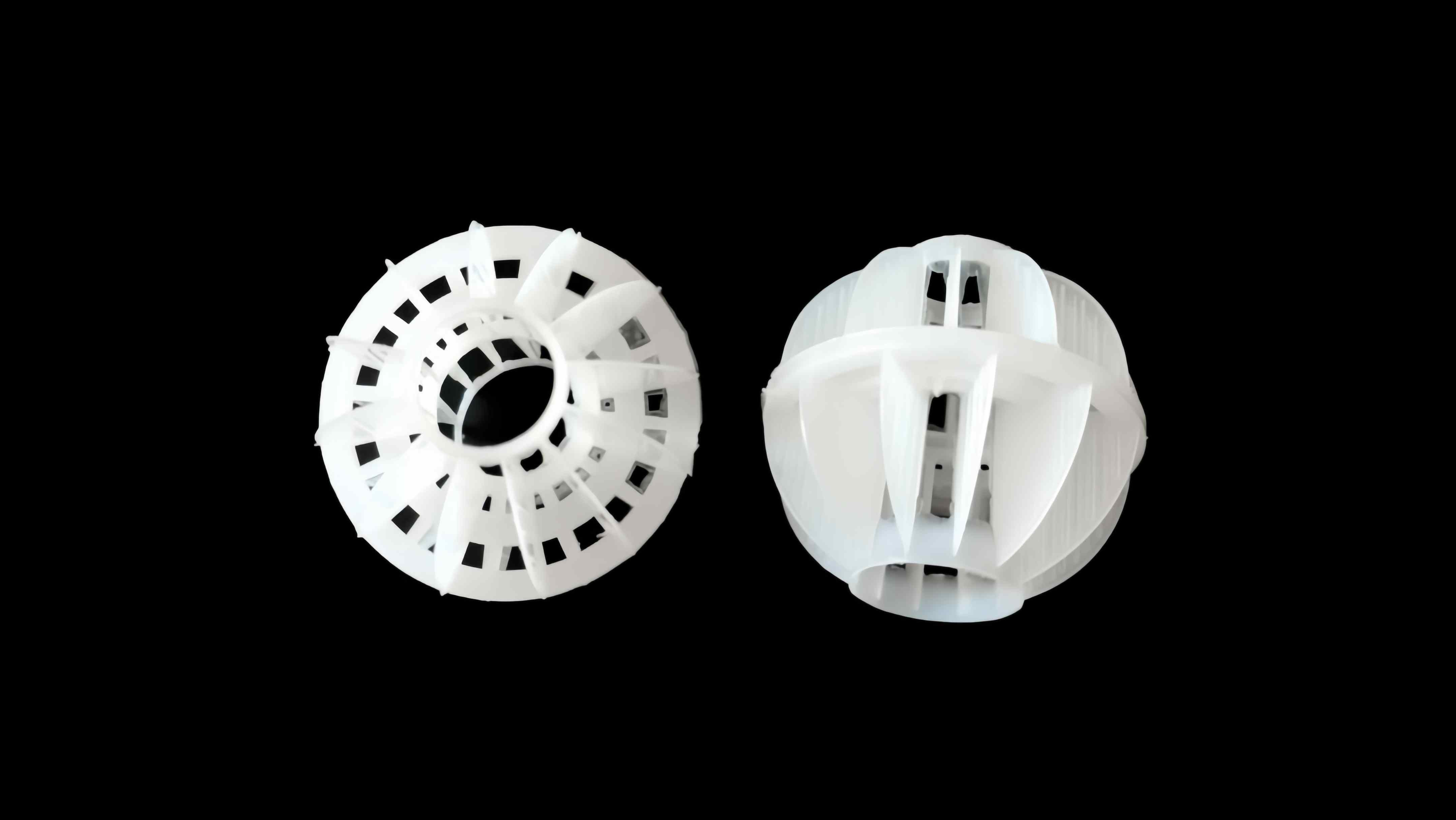
PVC Il est rigide et convient au lavage au dioxyde de chlore ou à l'hypochlorite à température ambiante. CPVC (Le PVC chloré) étend la plage de température jusqu'à 100 °C, ce qui le rend idéal pour le lavage caustique à chaud ou les précipitateurs électrostatiques humides.
Le PVC est cassant. Dans les tours soumises à de fortes vibrations ou à des variations de température rapides, le PP est souvent plus sûr. L'utilisation de PP à haute température (alors que le CPVC est requis) entraîne le ramollissement et la fusion des billes, ce qui compromet le garnissage de la tour.
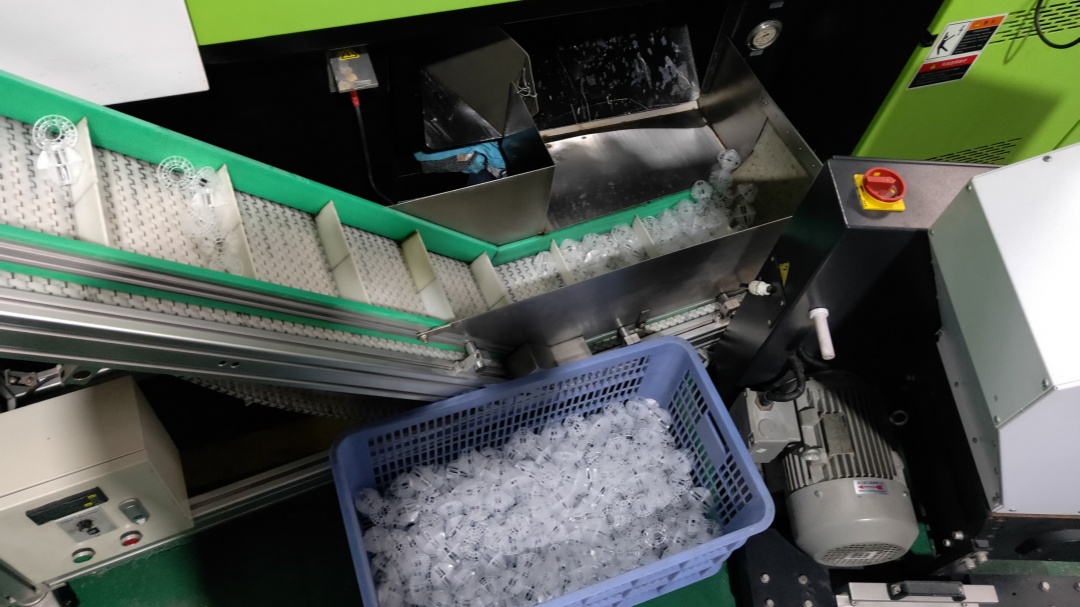
Le PVDF est la référence en matière de résistance aux halogènes agressifs (chlore, brome, fluor) et aux applications de haute pureté (par exemple, le recyclage des batteries au lithium). Il résiste à l'oxydation et conserve sa résistance mécanique jusqu'à 140 °C.
Le coût initial est 5 à 8 fois supérieur à celui du PP. Cependant, dans le cadre de la récupération d'acide concentré, le remplacement annuel des billes de PP défectueuses coûte plus cher que l'achat unique de PVDF. C'est un exemple classique de maîtrise du coût total de possession.
| Facteur | PP (Polypropylène) | PVC / CPVC | PVDF |
|---|---|---|---|
| coût d'achat initial | Faible (ligne de base) | Moyen | Élevé (5-8x PP) |
| Température de fonctionnement maximale | ~90°C | ~60°C (PVC) / ~100°C (CPVC) | ~140°C |
| résistance chimique | Bon (Acides/Bases générales) | Excellent (oxydants, chlore humide) | Supérieur (Halogènes, Solvants) |
| Risque de défaillance | Modérée (dégradation UV) | Modérée (Fragilité) | Très faible |
Ne présumez pas de la température. Vérifiez la température du gaz à l'entrée et la chaleur de la réaction exothermique à l'intérieur de la tour. Si la température dépasse 80 °C, le PP est probablement dangereux. Si elle dépasse 100 °C, vous devez utiliser du CPVC ou du PVDF.
Si votre procédé utilise du chlore (Cl2), de l'hypochlorite de sodium, de l'ozone ou de l'acide chromique, le polypropylène standard deviendra cassant et s'effritera en quelques mois. Il vous faut du PVC ou du PVDF. C'est l'erreur la plus fréquente dans la conception des épurateurs chimiques.
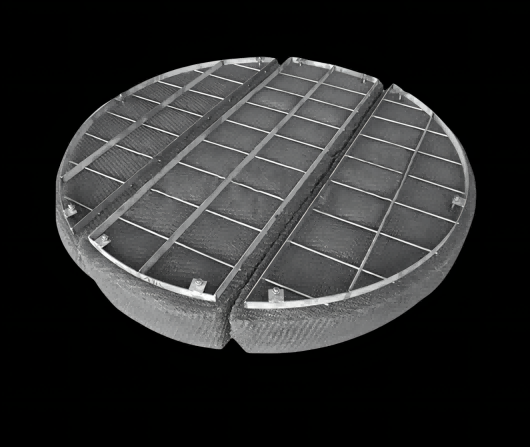
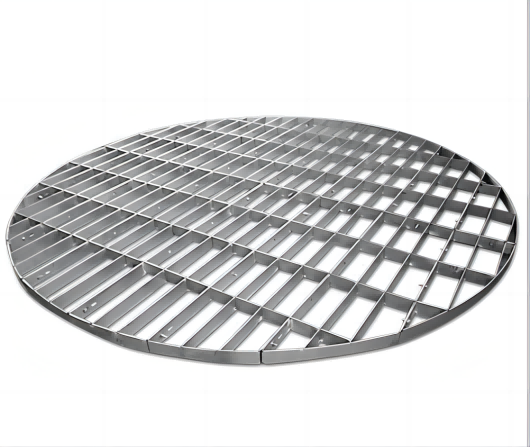
Les billes creuses sont légères, mais peuvent flotter. Assurez-vous que votre tour est équipée d'un distributeur de liquide et d'une grille de retenue adaptés. Si les billes flottent et bloquent le distributeur, la tour risque d'être inondée. Demandez à Ayrtter des calculs de charge hydraulique.
Choisir des billes creuses en plastique ne consiste pas à trouver le plastique le moins cher au mètre cube ; il s'agit d'adapter la chimie du polymère à votre scénario d'exploitation le plus défavorable.
Besoin d'aide pour vérifier votre choix de matériaux ? Contactez dès aujourd'hui l'équipe technique d'Ayrtter. Nous proposons des analyses de compatibilité chimique et des calculs de volume de garnissage gratuits pour garantir le fonctionnement optimal de votre colonne pendant des années, et non des mois.
 Adresse
: Intersection of Jinguang Avenue and Chongqing Middle Road, Anyuan Industrial Park, Anyuan District, Pingxiang City, Jiangxi
Adresse
: Intersection of Jinguang Avenue and Chongqing Middle Road, Anyuan Industrial Park, Anyuan District, Pingxiang City, Jiangxi Tél
: +86-18507999558
Tél
: +86-18507999558 E-mail
: sales@fxsino.com
E-mail
: sales@fxsino.com WhatsApp
:
+86-18507999558
WhatsApp
:
+86-18507999558 Réseau IPv6 pris en charge
Plan du site
| XML | Blog
| politique de confidentialité
Réseau IPv6 pris en charge
Plan du site
| XML | Blog
| politique de confidentialité